Vampires & Demisexuality12:24 Apr 19 2026
Times Read: 244
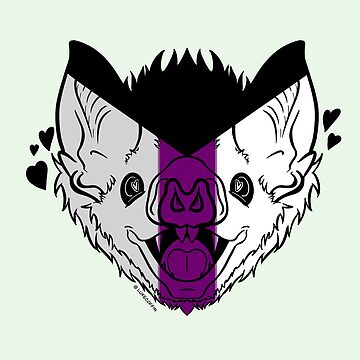
In modern times, very few people actually understand what the terminology "Demisexuality" means. However, those who actually experience being demisexual can tell you how in-depth the subject matter really is. You may think to yourself,
"How does demisexuality and vampires go together?"
In reality, it's pretty much straightforward.
Now, as we all know, many different stories and interpretations have painted vampires as these bloodthirsty, hypersexual creatures, who become aroused with just anyone. Bedding anyone for their sexual pleasure, and not only just for their feeding habit. But how often do we come across a demisexual vampire?
Not very often!
So the first thing to acknowledge is that demisexuality is an asexual orientation. Stemming from the asexual spectrum of the LGBTQ+ community. Asexuality means the lack of interest in any sexual activity of any kind, and that one does not find the act appealing in their romantic relationships. For someone who gets the ick, and it's honestly valid. However, with demisexuality, it just means that a person experiences sexual attraction ONLY when there has been an emotional connection established first before anything sexual can begin. They value emotional closeness and bond more than anything, and will gradually build up a solid foundation before they can proceed to the sexual phase of the relationship.
You see where I'm going with this?
How often have we seen a vampire value emotional closeness with someone and truly be sexually committed to that one person? They experience their primal, sexual urges only after engaging with their lover emotionally. The lust and pure instinct to ravage a lover, but can only do so if the nature of the relationship has built up significantly to that emotional level. It's truly unheard of.
Although upon my research, I came across an article that touch basis on exactly the two subject matters, Vampires and Demisexuality. I will say this, as a Demisexual woman myself. Just because Demisexuality is a part of the Ace spectrum of LGBTQ+
IT DOES NOT MAKE YOU GAY OR QUEER
Because guess what, heterosexual demi folks do exist. We do exist and we are out there.
Anyhoo, let's get back to the article at hand, titled "[Pride 2023] Is 'What We Do in the Shadows''s Guillermo Demisexual?" written by E.R. Whittingham.
Whittingham discusses the sexual orientation of the vampire Guillermo from FX's vampire comedy 'What We Do In The Shadows'
(SPOILERS AHEAD)
***************************
'From moments into the pilot episode when both Nadja and Laszlo individually confess to having sexual affairs with Baron Afanas, What We Do in the Shadows has always been casually yet delightfully queer. As many fans of the show know by now, the vampires are clearly pansexual, although these labels are not used in the series. Nandor has his harem of 37 "girl wives” and “guy wives" brought back from the dead, Nadja's human lover Gregor was once reincarnated as a washerwoman among many other forms… and as for the extremely licentious Laszlo? "Anything gets me hard”, he nonchalantly announces to the cameras.
It’s not just the vampires that are LGBTQIA+. Long-suffering familiar/ bodyguard/ eventual badass Guillermo de la Cruz (played wonderfully by Harvey Guillén) came out as gay to his family in a very sweet and poignant scene in the show's fourth season, and viewers were properly introduced to his boyfriend Freddie in the season's penultimate episode. But throughout the show's run, there seem to be more layers to Guillermo's orientation and identity than meets the eye. On closer examination, it could be that Guillermo is demisexual/ homoromantic.
For context, demisexuality is when someone eventually experiences sexual attraction to a person through an emotional bond developed with them rather than instantly at first glance. It comes under the asexuality umbrella, a part of the LGBTQIA+ community which is already sorely underrepresented in mainstream culture (including the horror genre, where sexuality is a prominent trope. This may be thanks to its roots in gothic literature but that's another story.) Positive representation from the ace community (such as asexual activist and model Yasmin Benoit and the character Todd from BoJack Horseman) helps to show that asexual people can still fall in love and happily be either sex-favourable, indifferent or rather uncomfortable with the idea. This, of course, includes demisexuals, and with this in mind, demisexuality seems to fit Guillermo rather well.
Guillermo does show signs of asexuality throughout the show. Unlike the highly promiscuous vampires, he appears to have no sexual interest, needs or desire whatsoever. Yes, Guillermo has had a strict Catholic upbringing but that's not to say asexuality doesn't play a part in it either. As mentioned before, it is definitely possible to be sex-favourable without having the desire to engage in sexual activity directly, especially in asexuality. (And it’s difficult to imagine the average vampire’s familiar lasting very long in their career if they weren’t sex-favourable, or at least indifferent.)
A notable example of Guillermo’s asexuality is in Season 1’s episode “The Orgy”, in which the vampire residence has been selected to host the Bi-annual Vampire Orgy, a very important social event in vampire culture. Yet despite its significance to vampires, and considering how badly he wants to become one himself, Guillermo shows no excitement to be involved, something which he has shown to previous important vampire engagements (such as the Baron’s visit).
He becomes increasingly uncomfortable when faced with more and more of the vampires’ outrageous demands as they prepare for the orgy, such as describing the sexual activity going on due to the lack of mirrors. Guillermo even proceeds to tell the cameras in an interview at one stage "I don't kiss and tell… and I don't kiss." Another example of hinting that Guillermo could be asexual is in Season 3’s “The Casino” when Laszlo and Nadja tease Guillermo into revealing if he has a love life. This is followed by Laszlo’s notable and very open speech about “how everyone fucks and sucks” (which some asexuals can heartily disagree to).
Throughout this oration, Guillermo looks as if he would rather be anywhere but there.
This leads to Guillermo’s eventual relationship with Freddie (Al Roberts) in Season 4. Guillermo adores his British boyfriend, who he admits is the first person he has ever “dated dated”. There is a lot of romance between the two (until Nandor’s selfish meddling) but Guillermo doesn’t indicate any lust or sexual desire towards Freddie. As previously mentioned, unlike a number of false representations and assumptions, asexuals can still feel romantic attraction and needs as much as any allosexual and Guillermo, if he were on the asexual spectrum, is no exception.
Gaylydreadful



.jpg)


COMMENTS
-